Common Ground is land on which we celebrate differences and search for commonality.
Common Ground is a place where everyone is welcome; a place where we seek to understand and a place where we nurture belonging. Common Ground is a space where people can be themselves. It’s a space that holds us gently.
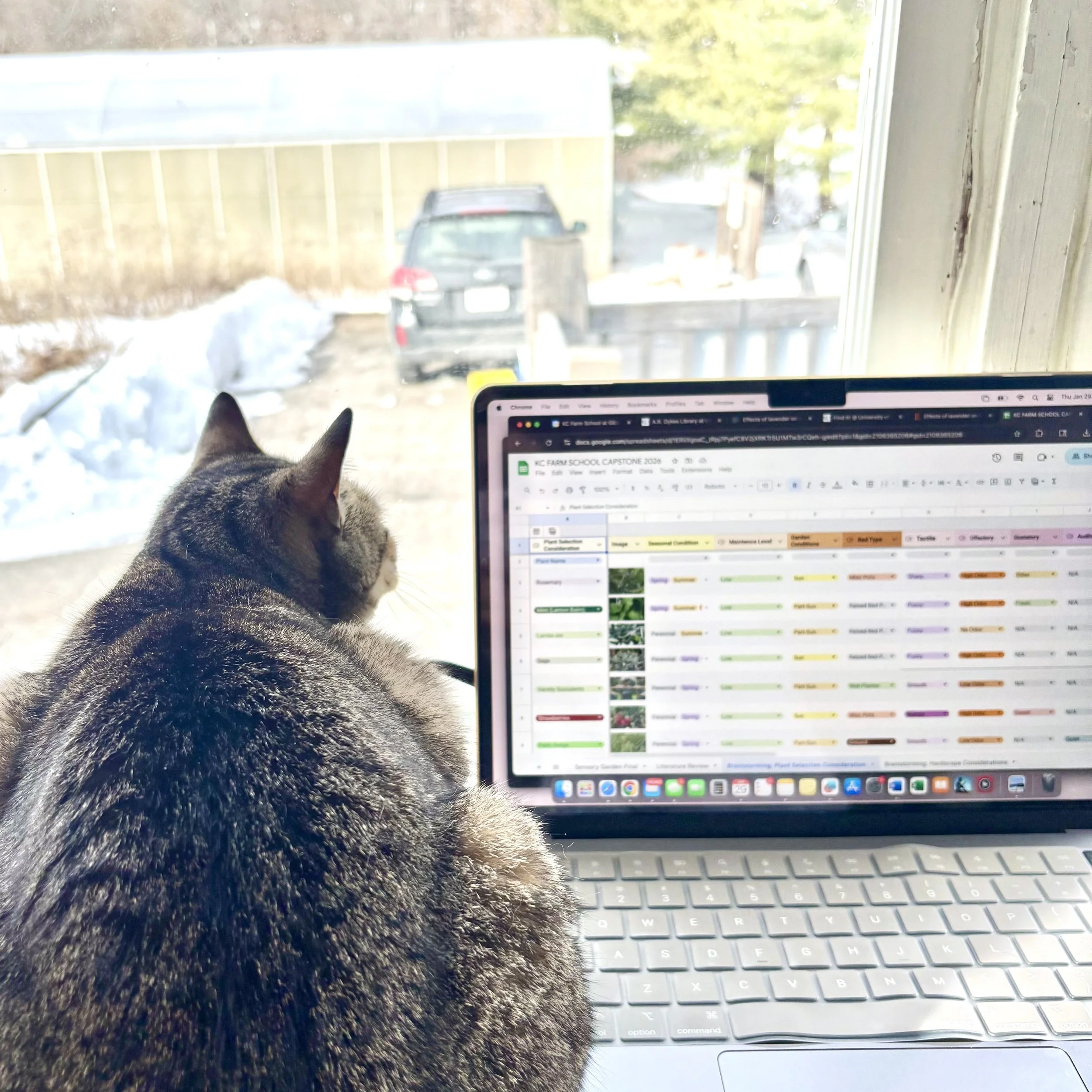
The Sensory Garden at Common Ground was created in 2026 as part of a student capstone project by Alyssa Witzgall while completing her Occupational Therapy Doctorate at The University of Kansas Medical Center. Alyssa sought to understand how to design sensory environments to support individuals who are neurodiverse in order for them to fully engage in activities that are meaningful to them. During her semester at KC Farm School, she researched, explored, shared insights, and built this sensory garden while becoming a member of our team.
Throughout her life, Alyssa has witnessed firsthand how easily meaningful moments like time in the community, connection with others, and engagement in everyday activities could be disrupted by physical and emotional discomfort that others may not always see or understand.
Alyssa’s goals were to create supportive sensory spaces for individuals who may be struggling in silence by designing and building a sensory garden on site, by sharing gentle reminders, by gathering items for sensory kits to promote occupational engagement; and to help our KC Farm School staff be better prepared to recognize when an individual may need support and some tools that we may use to provide assistance.
This scalable project demonstrates that through advocacy, community collaboration, and the Occupational Therapy lens,
systematic shifts toward inclusive and accessible community environments are possible.
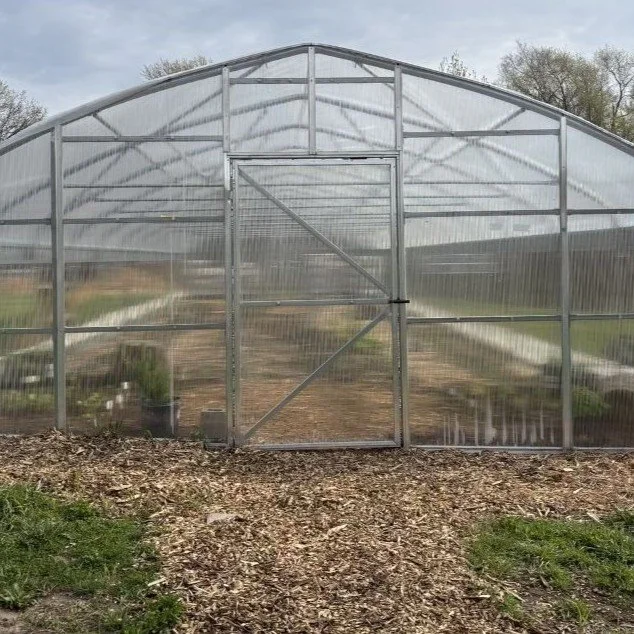
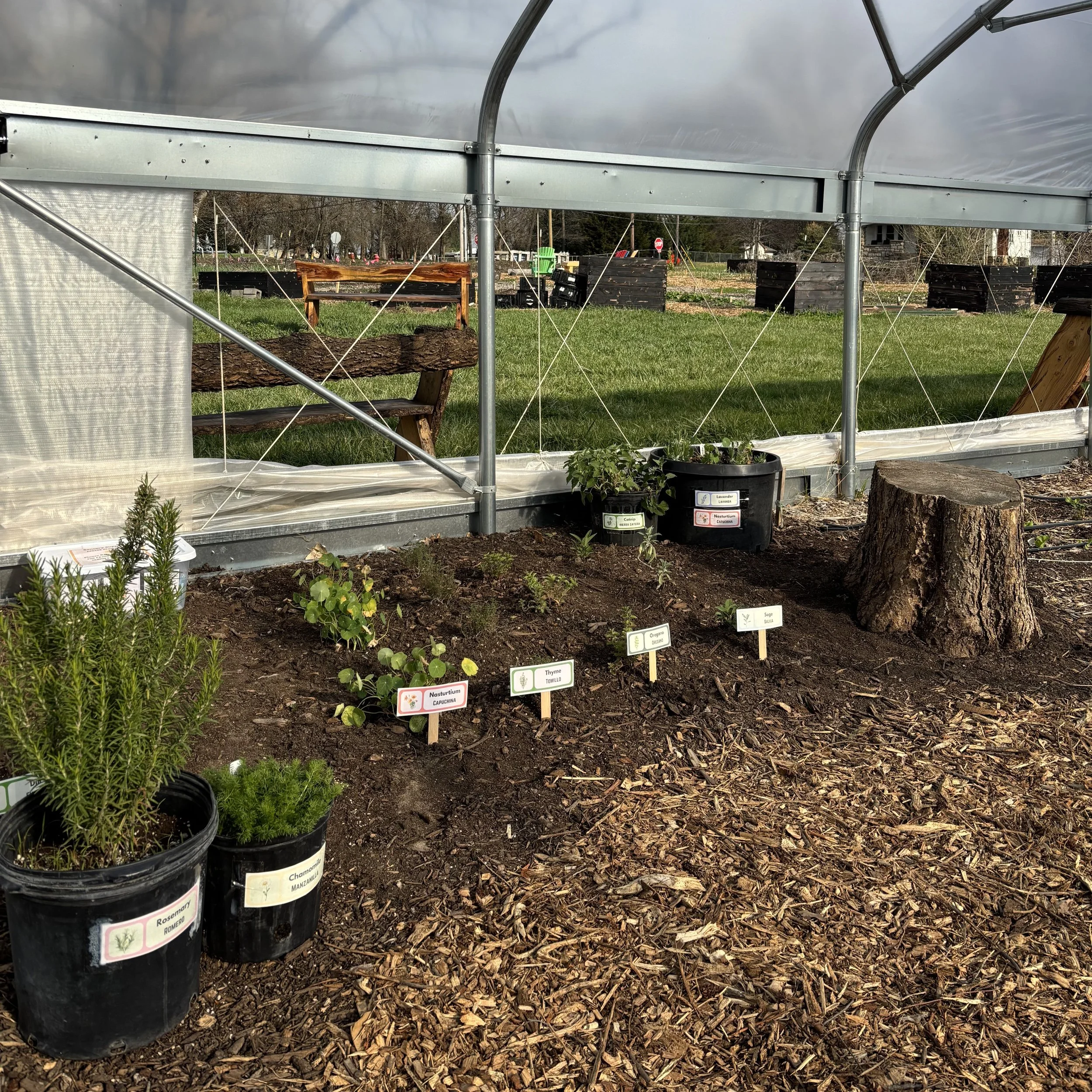
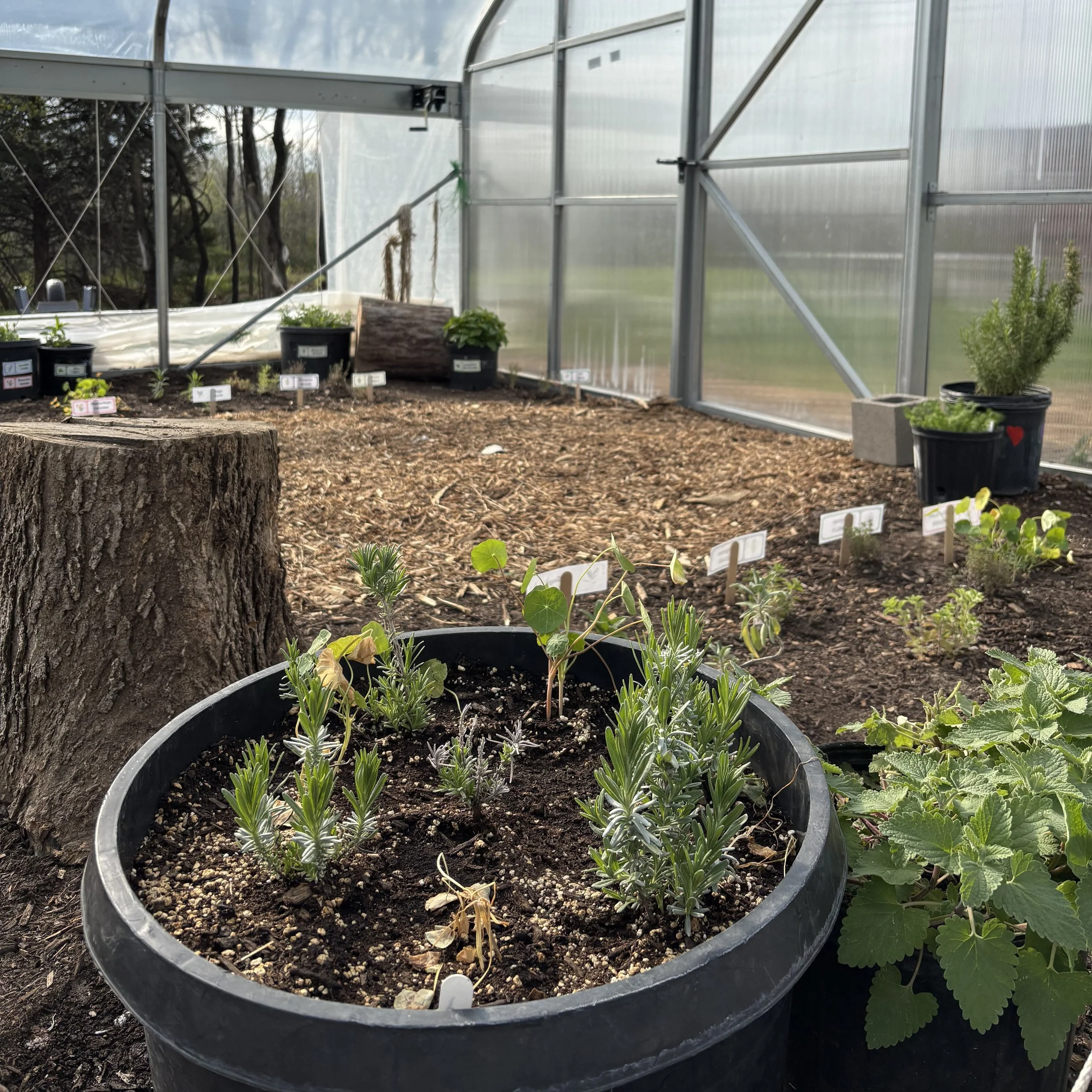
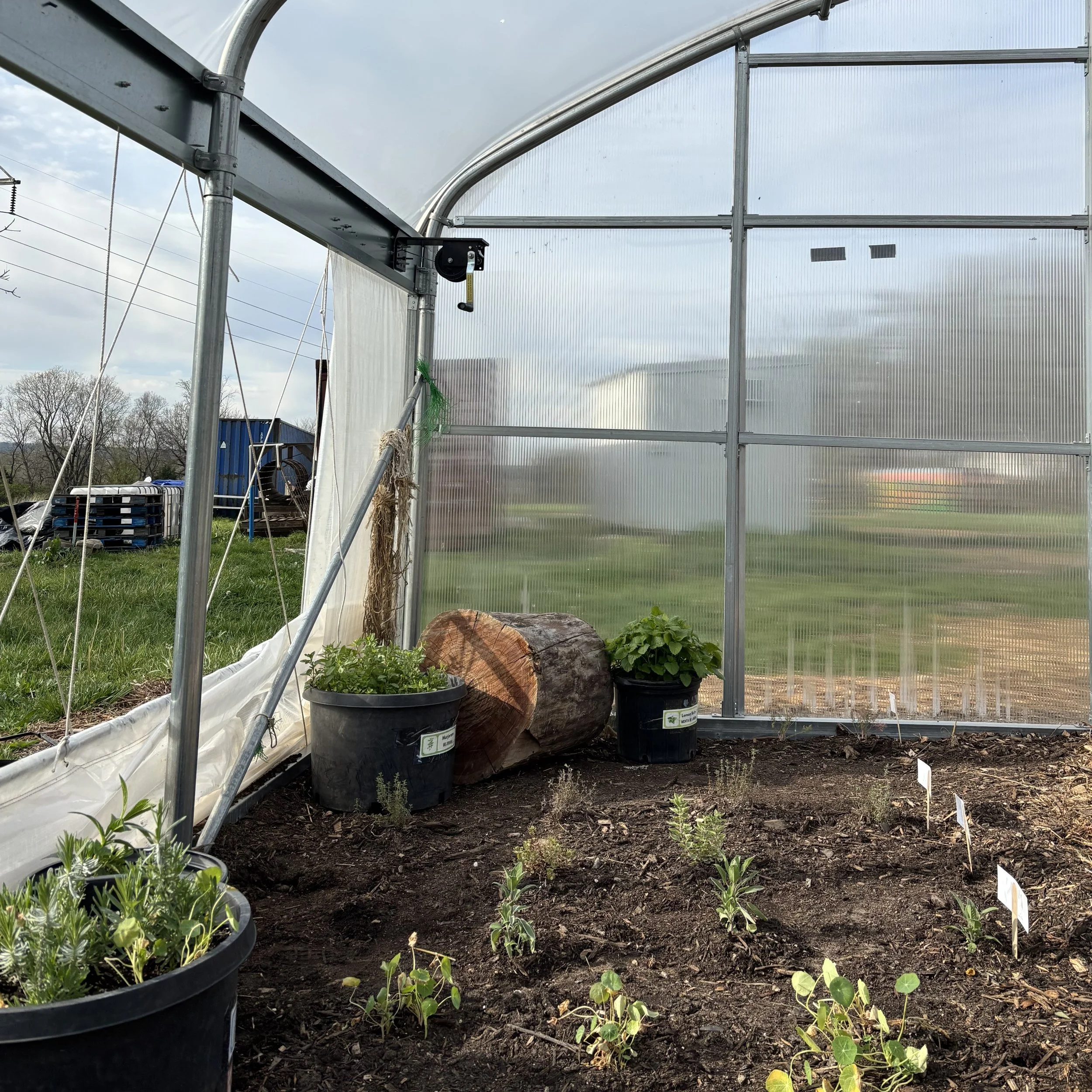
Sensory Garden at Common Ground
It matters because…
People who are neurodivergent display major differences in how their brain processes and responds to sensory input within their environment, [1] which has been shown to have a significant impact on engagement in daily activities. [2]
Sensory processing challenges can contribute to stress, isolation, reduced focus, and decreased engagement when sensory needs are not adequately supported. [3]
Supportive sensory environments for people who are neurodivergent remain under-represented in accessibility codes and design guidelines. [4]
Preliminary evidence highlights the importance of developing a safe space for managing sensory needs and increasing awareness of sensory differences to support occupational engagement. [5]
Supportive environments for people who are neurodiverse focus on creating safe attitudinal, sensory, and physical environments to promote increased occupational engagement. [6]
The goal of this project was to create welcoming, supportive sensory environments
that help people feel comfortable, engaged, and able to participate fully in meaningful activities.
The sensory garden was designed using evidence-based practice and an Occupational Therapy lens
to serve as a safe space to explore the senses and self-regulate by connecting mind and body with nature. [7]
Time spent in natural spaces has a positive impact on overall health and well-being. [8] Additionally, active engagement within sensory gardens has shown reductions in stress, anxiety, and social isolation. [9]
Recent studies suggest that nature-based sensory spaces could provide opportunities for self-regulation that would further support wellbeing for people who are neurodiverse. [10]
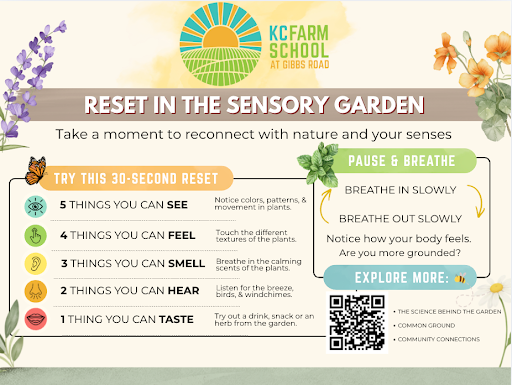
The sensory garden is equipped with signage displaying self-regulation strategies.
This further supports improved focus, emotional balance, and reduced stress for people who are neurodiverse
so that they can engage in what’s meaningful to them. [11]
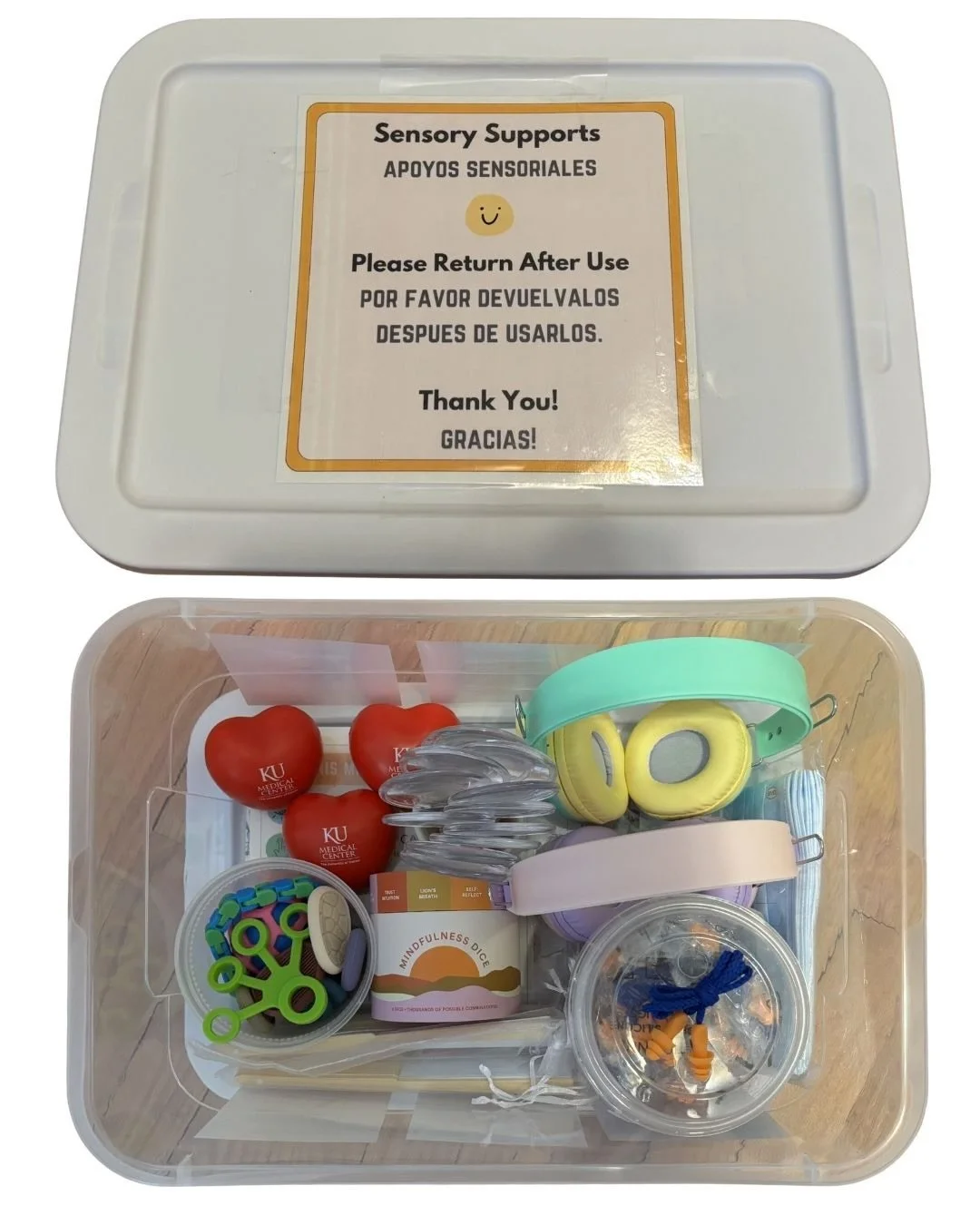

Sensory Kits
Sensory support kits have been used to accommodate sensory needs and support engagement in daily activities. [12]
These kits include items such as noise-cancelling headphones, fidgets, and mind-body awareness prompts
to help modulate sensory needs and to self-regulate. [13]
We encourage visitors to bring any personal supports that help them feel their best, such as water, sunscreen, sunglasses, fans, headphones, gloves, masks, layers for changing weather, or preferred sensory tools. A limited number of sensory items are available on-site. However, bringing personal accommodations ensures you have what works best for you throughout your visit.
KC Farm School Sensory Kits Include: earmuffs & silicone earplugs, face masks, handheld fans, stress balls, fidgets
breathing exercises, and mindfulness activities available in English and Spanish.
If there are specific accommodations that would make your visit more comfortable, please let us know in advance so our staff can plan how to best support you.
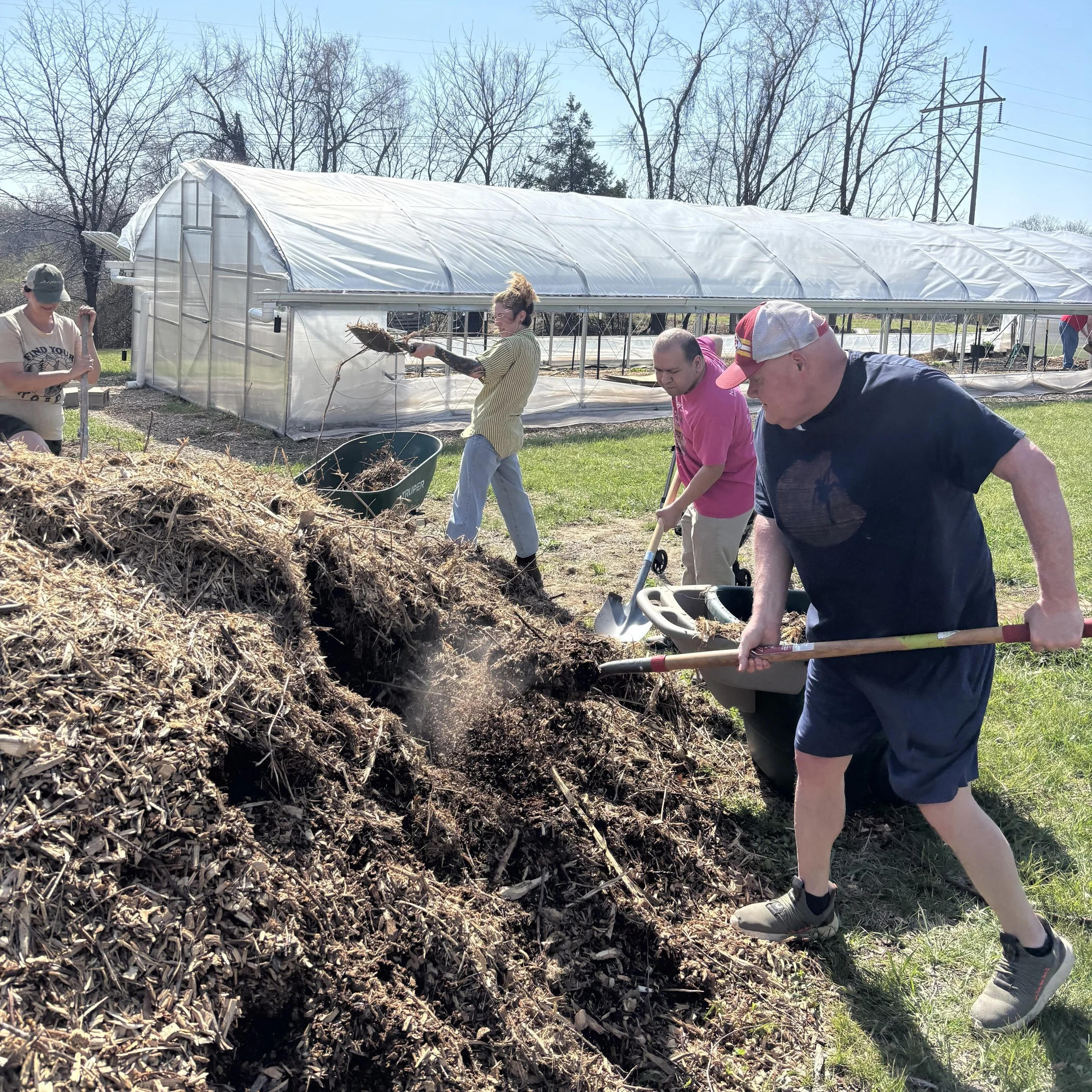
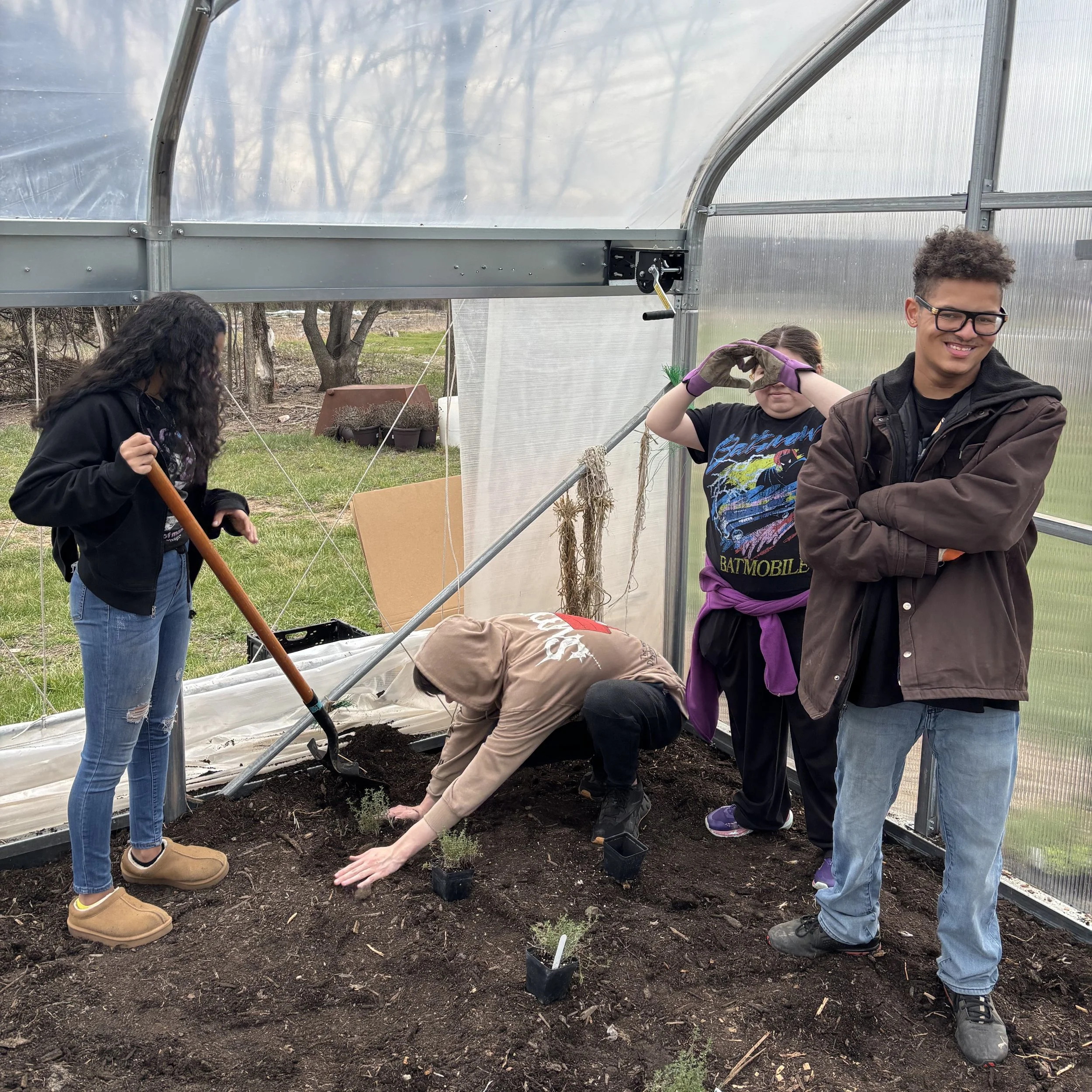
Community Collaboration
United by a shared mission to support the health and wellbeing of their respective communities and connected by Alyssa Witzgall, KC Farm School collaborated with the Botanic Gardens and the Department of Occupational Therapy Education at the University of Kansas Medical Center and formed a partnership to create the sensory garden. Alyssa wishes to note the support received by Alicia Ellingsworth, Eric Tow, Sarah Norris, and Dory Sabata as they provided invaluable mentorship to guide this capstone project. Their collaboration was essential, as each person actively worked toward creating supportive sensory environments.
Through this work, two sensory gardens were created for the community.
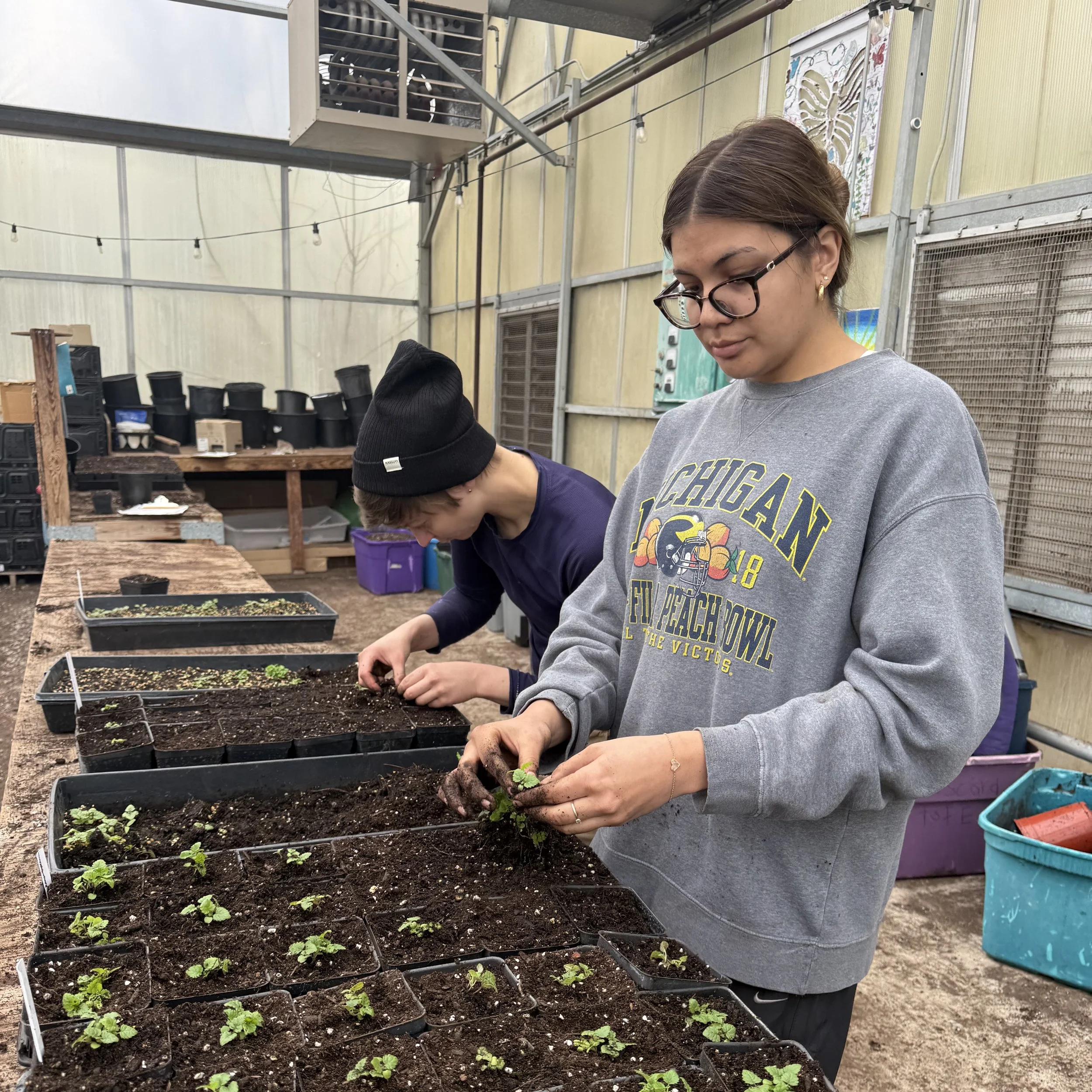
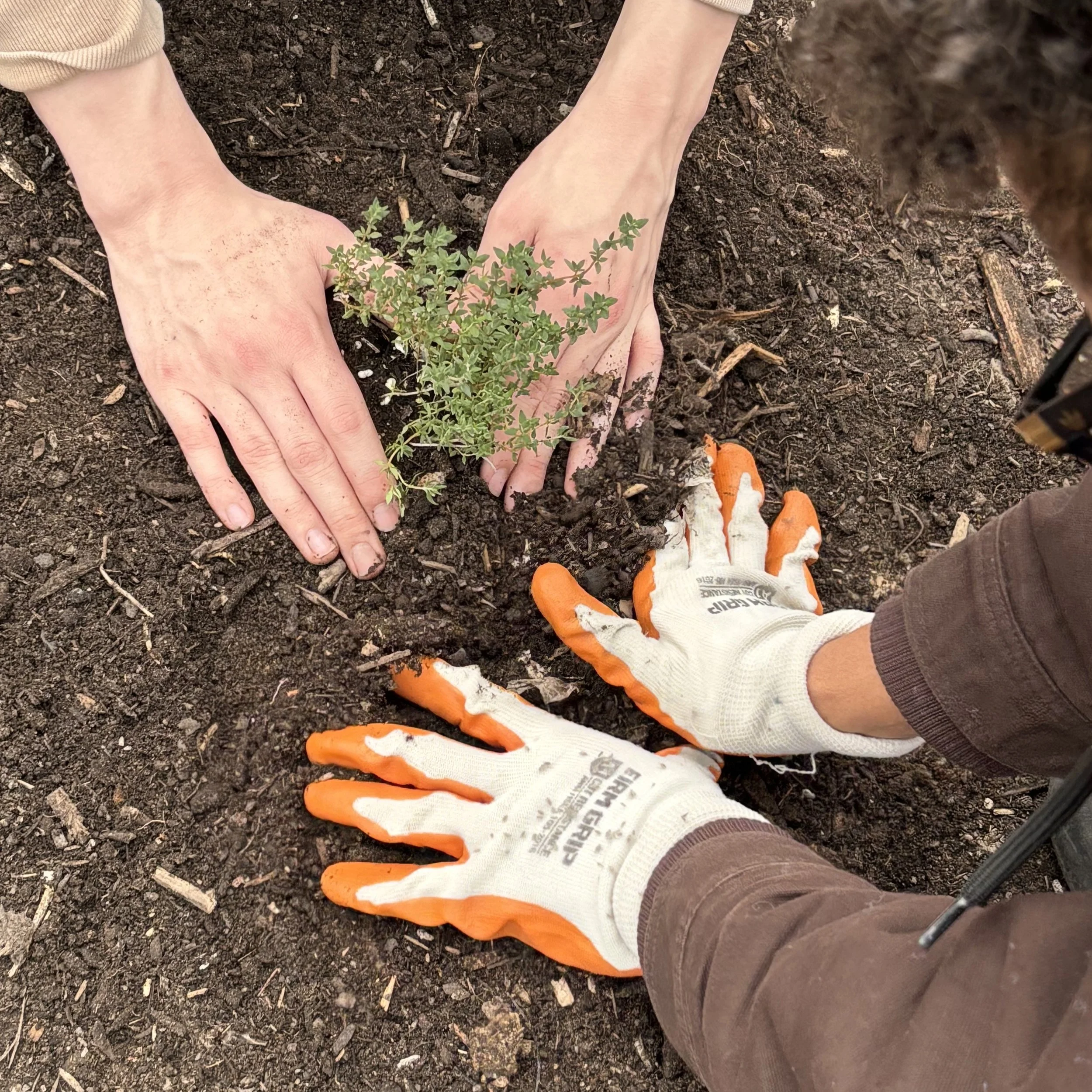
Local high school students and Easter Seals volunteers played an essential role in the planting at KC Farm School.
Staff at KUMC Botanic Gardens planted a similar sensory garden on campus. Check it out!
We welcome you to come and experience our sensory garden.
If you’ve got questions, please reach out to info@kcfarmschool.org
Gratitude
We are grateful to those who share their time with us on the farm. We learn from each and every visitor.
Alyssa joined us in January and wrapped up her time on the farm in early April.
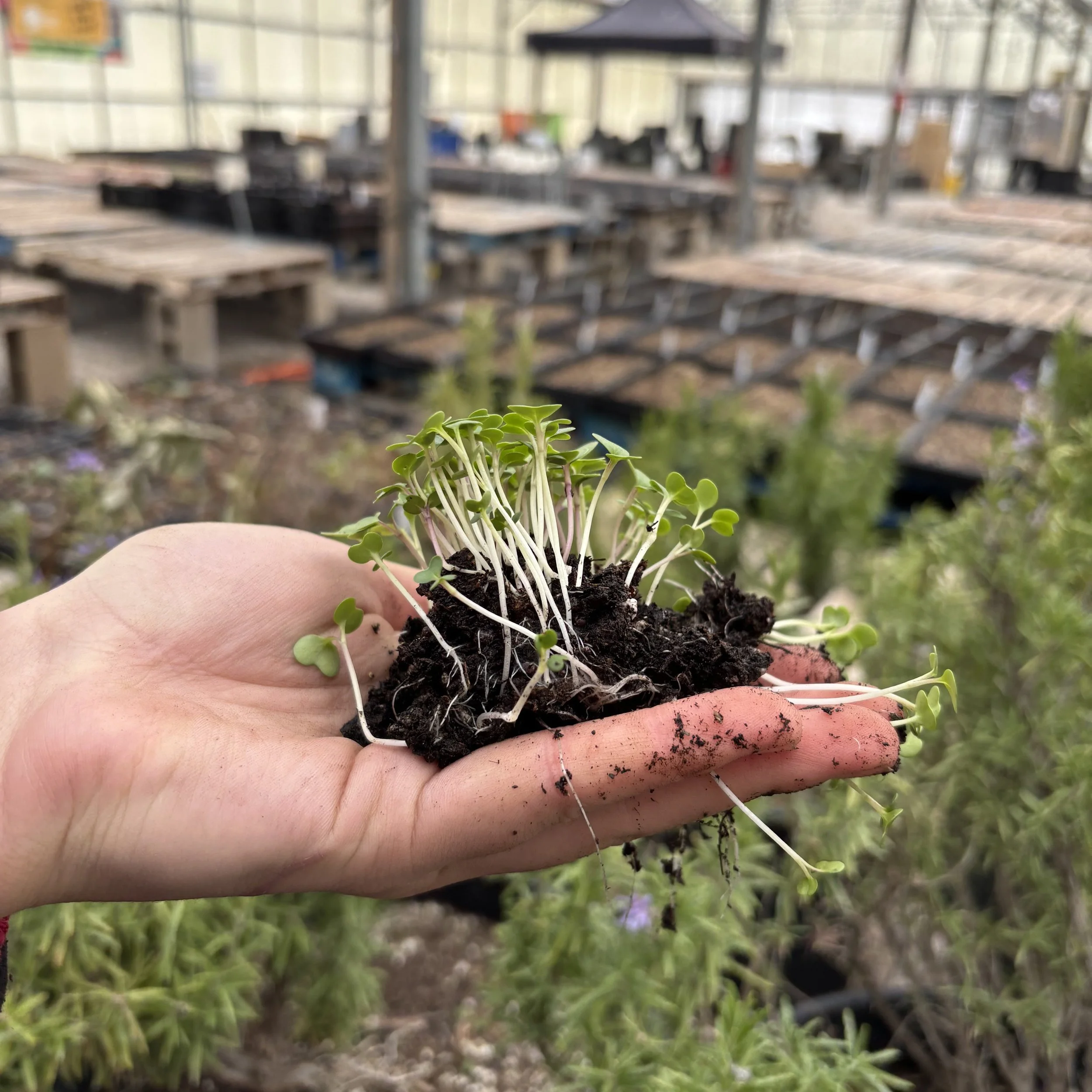
During that time, she learned how to seed, pot-on, and transplant starts; she led volunteers and shared lessons with our staff;
she brought joy, worked with earnest, and even cooked lunch for us once or twice.
We are grateful to Dr. Alyssa Witzgall for spending her learning journey here and for leaving the sensory garden behind.
Endnotes
[1] Dunn, Winnie PhD, OTR, FAOTA. Supporting Children to Participate Successfully in Everyday Life by Using Sensory Processing Knowledge. Infants & Young Children 20(2):p 84-101, April 2007. | DOI: 10.1097/01.IYC.0000264477.05076.5d
[2] Ismael, N., Lawson, L. M., & Hartwell, J. (2018). Relationship Between Sensory Processing and Participation in Daily Occupations for Children With Autism Spectrum Disorder: A Systematic Review of Studies That Used Dunn's Sensory Processing Framework. The American journal of occupational therapy : official publication of the American Occupational Therapy Association, 72(3), 7203205030p1–7203205030p9. https://doi.org/10.5014/ajot.2018.024075
[3] Ghanbari, S., Kavousipor, S., & Rezaei, A. (2025). Enhancing medical education: The crucial role of sensory processing - Insights from occupational therapy. Journal of education and health promotion, 14, 116. https://doi.org/10.4103/jehp.jehp_1770_23
[4] Mostafa, M. (2015). Architecture for autism: Built environment performance in accordance to the autism ASPECTSS™ design index. Design Principles and Practices: An International Journal—Annual Review, 8(1), 55–71. https://doi.org/10.18848/1833-1874/CGP/v08/38300
[5] Nolan, C., Doyle, J. K., Lewis, K., & Treanor, D. (2023). Disabled Students' perception of the sensory aspects of the learning and social environments within one Higher Education Institution. The British journal of occupational therapy, 86(5), 367–375. https://doi.org/10.1177/03080226221126895
[6] Murthi, K., Chen, Y.-L., Shore, S., & Patten, K. (2023). Strengths-based practice to enhance mental health for autistic people: A scoping review. American Journal of Occupational Therapy, 77, 7702185060. https://doi.org/10.5014/ajot.2023.050074
[7] Wagenfeld, A. (2025). Youth sensory gardening manual: Designing and implementing sensory-based gardening programs for children. Therapeutic Landscapes Network.
[8] Shanahan, D. F., Astell-Burt, T., Barber, E. A., Brymer, E., Cox, D. T. C., Dean, J., Depledge, M., Fuller, R. A., Hartig, T., Irvine, K. N., Jones, A., Kikillus, H., Lovell, R., Mitchell, R., Niemelä, J., Nieuwenhuijsen, M., Pretty, J., Townsend, M., van Heezik, Y., Warber, S., … Gaston, K. J. (2019). Nature-Based Interventions for Improving Health and Wellbeing: The Purpose, the People and the Outcomes. Sports (Basel, Switzerland), 7(6), 141. https://doi.org/10.3390/sports7060141
[9] Stephansky, M., et al. (2022). Active student engagement within a university’s therapeutic sensory garden green space: Pilot study of utilization and student perceived quality of life. Urban Forestry & Urban Greening, 67, 127452. https://doi.org/10.1016/j.ufug.2021.127452
[10} Finnigan, K. A. (2024). Sensory Responsive Environments: A Qualitative Study on Perceived Relationships between Outdoor Built Environments and Sensory Sensitivities. Land, 13(5), 636. https://doi.org/10.3390/land13050636
[11] Patten, K. K., Murthi, K., Onwumere, D. D., Skaletski, E. C., Little, L. M., & Tomchek, S. D. (2024). Occupational Therapy Practice Guidelines for Autistic People Across the Lifespan. The American journal of occupational therapy : official publication of the American Occupational Therapy Association, 78(3), 7803397010. https://doi.org/10.5014/ajot.2024.078301
[12] Forsberg, K., Sutton, D., Stjernswärd, S., Bejerholm, U., & Argentzell, E. (2024). Experiences of participating in a group-based sensory modulation intervention for mental health service users. Scandinavian Journal of Occupational Therapy, 31(1). https://doi.org/10.1080/11038128.2023.2294767
[13] Pfeiffer, B., Coster, W., Snethen, G., Derstine, M., Piller, A., & Tucker, C. (2017). Caregivers' Perspectives on the Sensory Environment and Participation in Daily Activities of Children With Autism Spectrum Disorder. The American journal of occupational therapy : official publication of the American Occupational Therapy Association, 71(4), 7104220020p1–7104220028p9. https://doi.org/10.5014/ajot.2017.021360